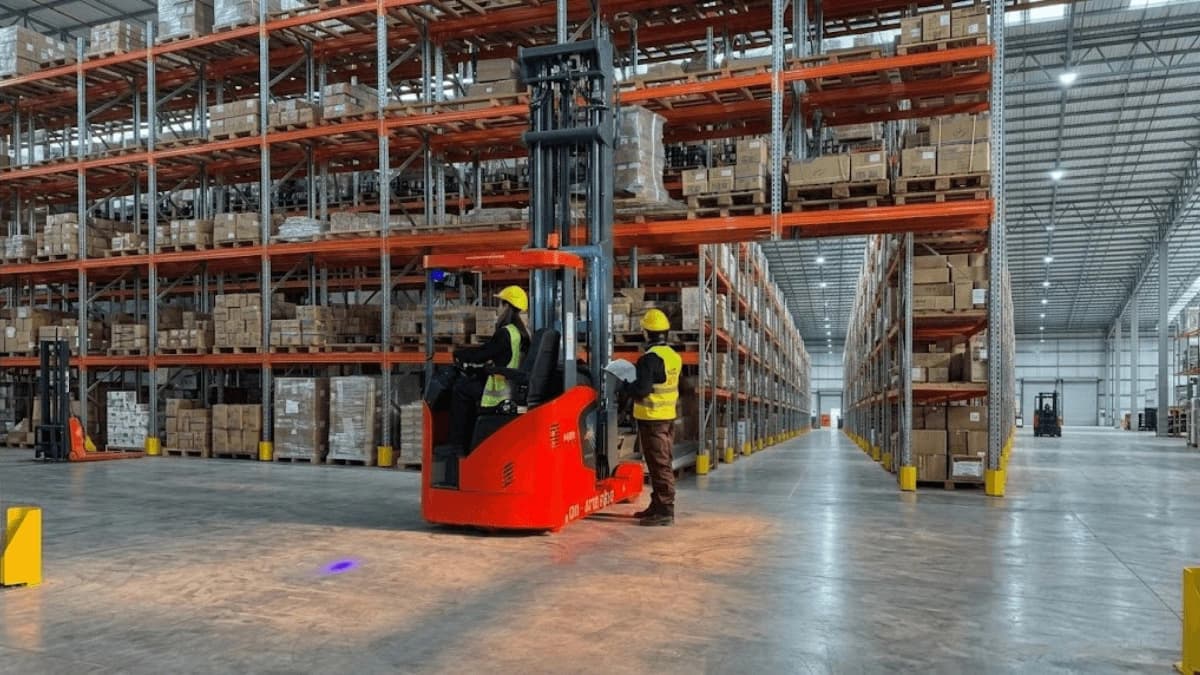
In the Logistics 4.0 era, the efficiency of a distribution center is no longer measured solely by the physical speed of its operators or the nominal load capacity of its machines. The true differentiating factor lies in the ability to transform analog movement into analyzable data in real time. Historically, operations managers had to rely on manual spreadsheets to record their fleet's engine hours or depend on informal reports to find out about a structural impact against a rack.
Today, the integration of telematics systems and Fleet Management Software (FMS) allows every forklift to be connected to a cloud platform. Below, we analyze how Big Data applied to material handling translates into direct financial savings and a drastically safer working environment.
1. Access Control and Incident Rate Reduction
One of the biggest headaches in high-intensity warehouses is the unauthorized use of machinery and hidden damages caused by poor handling practices. A forklift operated by unqualified personnel represents a critical legal and operational risk.
Advanced telematics modules solve this problem through intelligent access control. Machines only turn on if the driver presents an authorized RFID card or enters their personal code in the cabin. Furthermore, the system incorporates a three-axis impact sensor (G-Sensor). If the operator collides heavily with a rack or a lintel, the machine can automatically lock in safe mode and send an instant alert to the supervisor, identifying by first and last name who was driving at that exact moment. This reduces negligence-related incidents by up to 70%.
2. Monitoring Real Hours vs. Downtime
Optimizing the Total Cost of Ownership (TCO) requires knowing whether you are utilizing your fleet to its full potential or if you have an excess of idle machinery generating unnecessary fixed expenses.
Through the digital dashboard in the cloud, a manager can visualize:
Key-on time: The exact hours the machine remained turned on.
Effective working time: Real minutes where the forklift was in motion or executing hydraulic lifting cycles.
Battery diagnostics: State of charge, temperature, and efficiency in electric lithium-ion or lead-acid equipment.
This constant flow of information makes it possible to detect operational bottlenecks (for example, three machines waiting in the same dispatch anteroom) and make data-driven decisions to redistribute equipment among different sectors of the plant.
3. Predictive Maintenance and Fault Alerts
Waiting for a forklift to stop working before calling technical service is the most expensive strategy for a company. Unexpected downtime breaks the dispatch chain and drives up the cost of emergency spare parts.
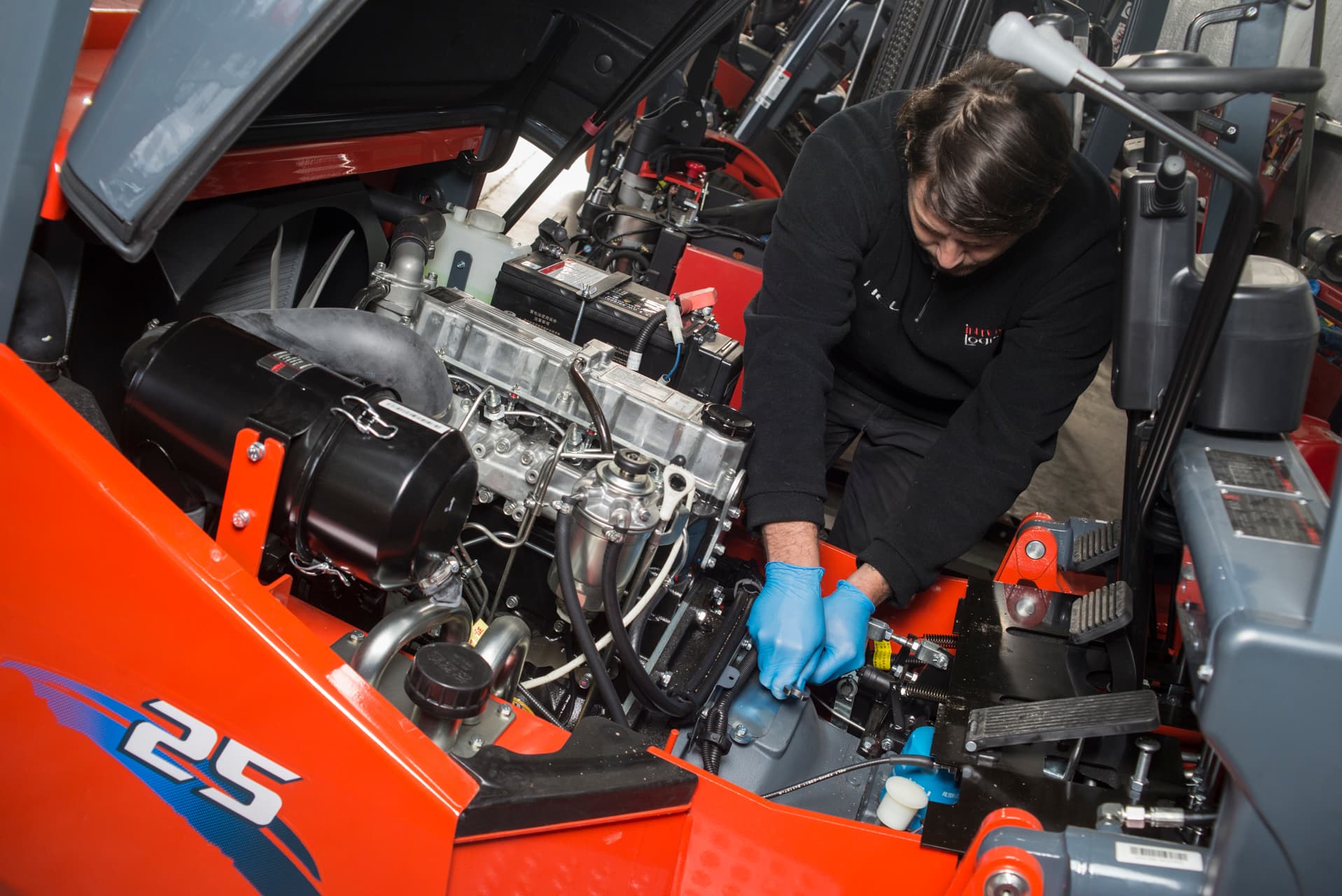
Telematics transforms preventive maintenance into predictive maintenance. The system constantly monitors fault codes from the forklift's central computer (Curtis controllers or similar). If it detects an anomaly in oil pressure, an elevated temperature in the internal combustion engine, or unusual wear on the brakes, it sends an automatic notification before a catastrophic breakdown occurs. This allows technical service to be scheduled during off-peak shifts, extending the lifespan of mechanical components.
Conclusion
Telematics applied to modern forklifts is not a luxury accessory; it is an indispensable management control tool for industrializing warehousing processes. Knowing your drivers' behavior, protecting your racks against impacts, and anticipating mechanical failures is the only sustainable way to reduce hidden workshop costs and maximize your fleet's profitability.
If you are looking to modernize your warehouse's operational management, mitigate stock breakage rates, or want to know the latest generation electric models that already integrate smart connectivity from the factory, we invite you to explore our catalog of HELI products and forklifts. Likewise, to coordinate a technical diagnosis of your current units or install advanced supervision modules, you can consult with our specialists in the after-sales and technical service area.
Share
The Interlogistic Team
Specialists in industrial logistics and equipment
.jpg&w=3840&q=75)