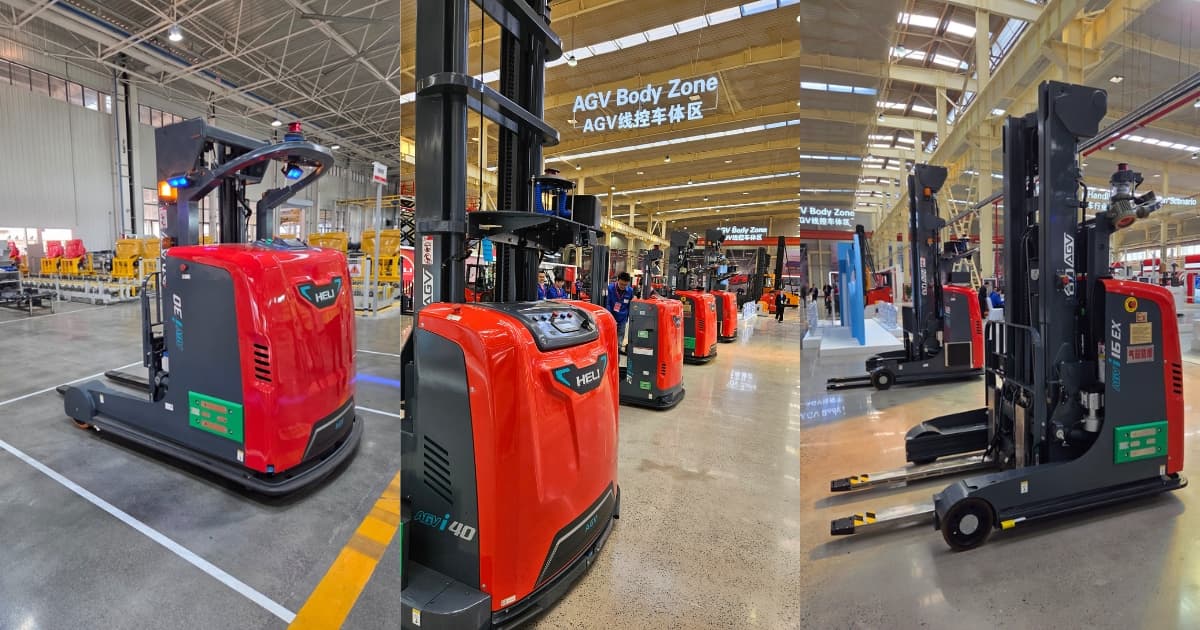
A key part of caring for a forklift is being able to prevent or reduce the likelihood of damage occurring that could negatively affect its operation and safety.
-
Regular maintenance
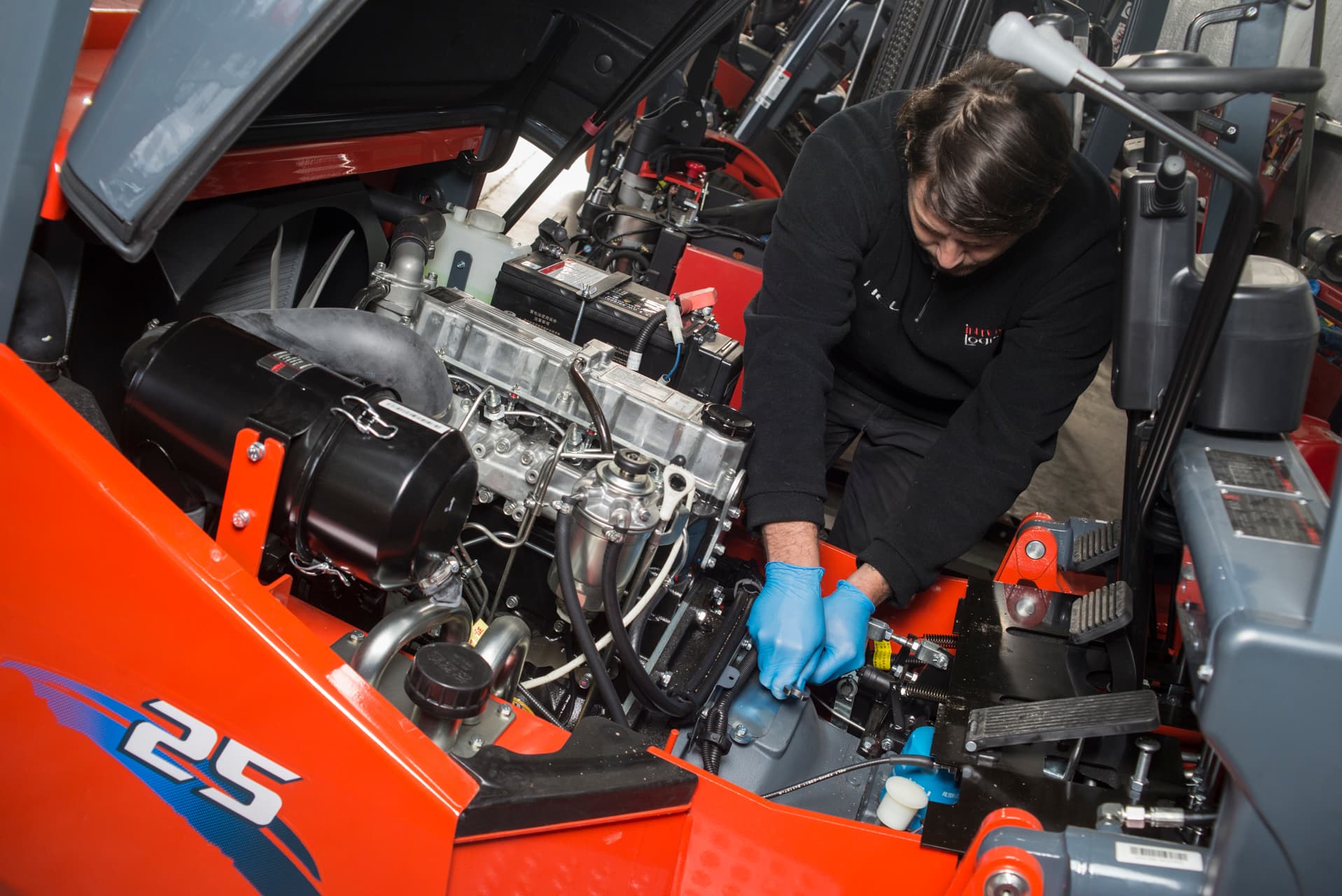
Just like a car, all forklifts must undergo regular service and maintenance at intervals set by the manufacturer.
As part of common routine maintenance, it is important that the unit's fluid levels (e.g., engine oil or hydraulic fluid) are checked and refilled when necessary; lack of sufficient fluid in the machine can negatively affect and seriously damage the engines or hydraulic systems, resulting in costly repairs or even complete replacement of the unit in the future.
The mast chains of a forklift are one of the most integral components of the entire unit; the chains must be lubricated regularly to ensure they move smoothly when raising and lowering the mast.
Proper lubrication also reduces the likelihood of chains rusting and losing their integrity, increasing the chances of them breaking under the stress of lifting a heavy load.
-
Installation of weather protection
For forklifts operating outdoors in weather conditions such as rain, snow or ice, one of the easiest ways to prevent or reduce damage from the elements is to install some type of weather protection.
Weather protection can range from purchasing a forklift with a fully enclosed cab such as the Heli 7 or 10-tonne forklift, to PVC curtains that can be retrofitted and not only protect the dashboard, controls and electronics from water ingress and damage, but also the operator during inclement weather.
-
Performing pre- and post-shift checks
At the beginning of each shift, it is imperative that pre- and post-start checklists are carried out.
Pre-start checklists include visual inspections, checking that common consumable levels are correct and that all safety features, such as lights, are working correctly.
Pre- and post-start checks are vital for preventing damage to forklifts, as any physical damage, incorrect fuel levels and non-functioning safety features are discovered before the unit begins to operate.
-
Do not drag the forklift forks
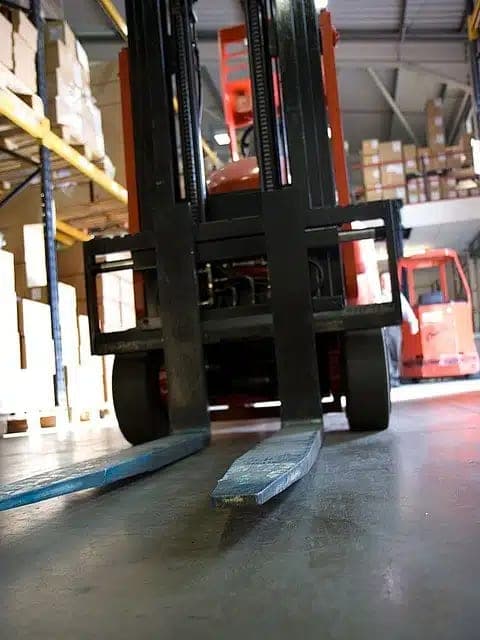
It is important to raise the forks of a forklift whenever it is in operation; dragging them along the ground causes unnecessary physical damage to the forks.
Continually dragging the forks along the ground also reduces their thickness, which will gradually degrade their structural integrity and their ability to safely lift heavy loads.
-
Do not overload the forklift
All Heli forklifts have a prescribed safe lifting capacity specified by the manufacturer.
The higher the mast can lift the load, the safe lifting capacity decreases to ensure the unit maintains its center of gravity and does not become unstable, increasing the chances of it tipping over.
It is imperative that operators know the safe lifting capacity of the forklift during its operation and the load weights they are lifting at all times to keep the unit stable and reduce the likelihood of a unit tipping over and possibly causing serious damage to the unit, operator, load or surrounding areas.
At Interlogistic we sell
Heli machinery in Argentina; we are official distributors. We provide technical service to complete all Heli forklift damage repairs.
We also have a wide range of Heli forklifts, stackers and pallet trucks. To contact a sales operator, click
here.