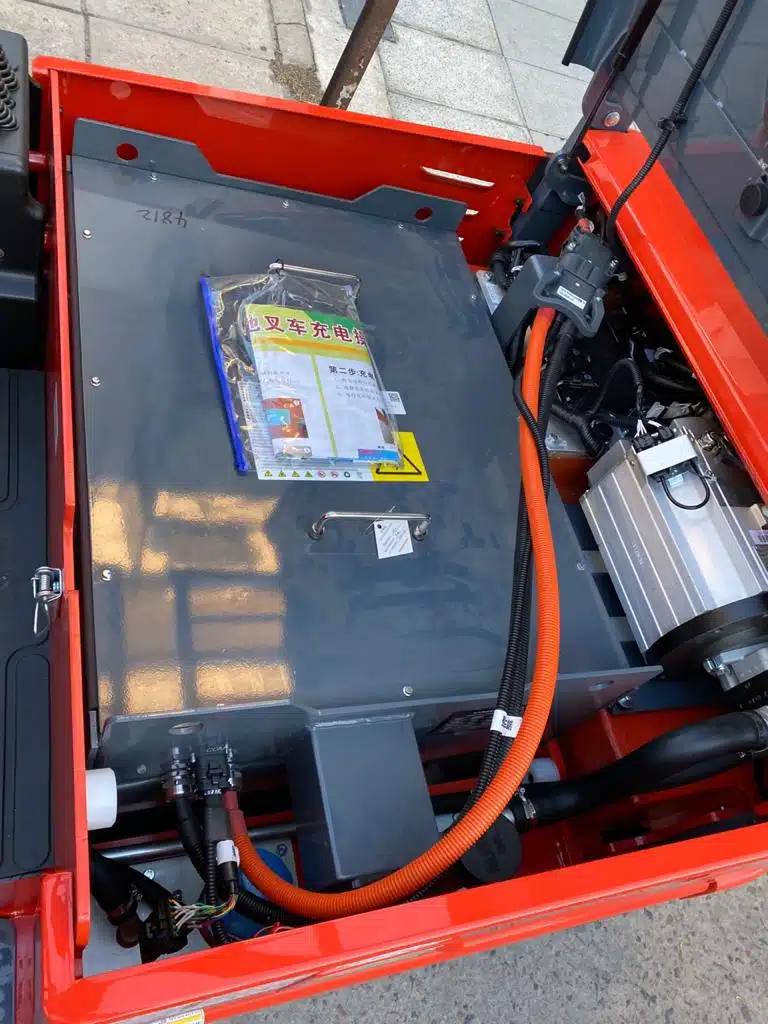
One of the most critical components of electric forklifts is the battery. While a large portion of the machinery currently on the market relies on traditional lead-acid batteries, the logistics industry has shifted its focus toward lithium-ion batteries due to their multiple operational and financial advantages.
Key Differences Between Lithium and Lead-Acid Batteries
1. Higher Energy Density and Efficiency
Unlike traditional batteries, lithium features a much higher energy density. This means it can store more energy while occupying less space and carrying less weight. Additionally, equipment running on lithium technology is up to 30% more energy-efficient in terms of performance than lead-acid counterparts.
2. Extended Lifespan
While lead-acid batteries provide approximately 1,500 life cycles, HELI's lithium technology delivers up to three times longer duration. Evaluated over the long term, a forklift will require two to three replacement lead-acid batteries throughout its service life, whereas with lithium technology, you will only use one.
3. Low Self-Discharge Rate
Self-discharge refers to the energy loss a battery experiences when the machine is sitting idle. In HELI forklifts, the self-discharge rate of lithium batteries is ten times lower than that of lead-acid batteries, ensuring the equipment is fully ready whenever your operation demands it.
4. Zero Technical Maintenance
Lithium completely eliminates the need for daily or weekly preventive maintenance. It requires no battery swaps, no dedicated charging rooms, and none of the traditional distilled water refilling routines, thereby reducing both operational costs and workplace safety risks.
5. No "Memory Effect" (Opportunity Charging)
The memory effect is the reduction in energy capacity that lead-acid batteries suffer if they are recharged before being fully discharged. Lithium batteries have no memory effect, allowing operators to perform "opportunity charges" (for example, during staff breaks or lunch hours) without damaging the cell's long-term lifespan.
6. Fast and Efficient Charging
Lithium batteries can reach a full charge in remarkably short periods of time (approximately 2 hours). This guarantees higher machinery availability and allows facilities to run continuous multi-shift operations without needing backup batteries.
7. Total Safety: No Overheating
The built-in Battery Management System (BMS) allows lithium equipment to remain connected to the power grid without risk of overheating. This advanced electronic control eliminates the danger of thermal runaway, increased self-discharge, or potential warehouse fires.
Conclusion
Lithium batteries offer countless advantages over traditionally used energy systems. They have become the leading alternative and innovation for companies aiming for a cleaner, highly efficient, and above all, more profitable logistics operation.
If you want to explore all available models and choose the technology that best fits your warehouse, you can visit our forklifts section by clicking here.
Share
The Interlogistic Team
Specialists in industrial logistics and equipment
.jpg&w=3840&q=75)