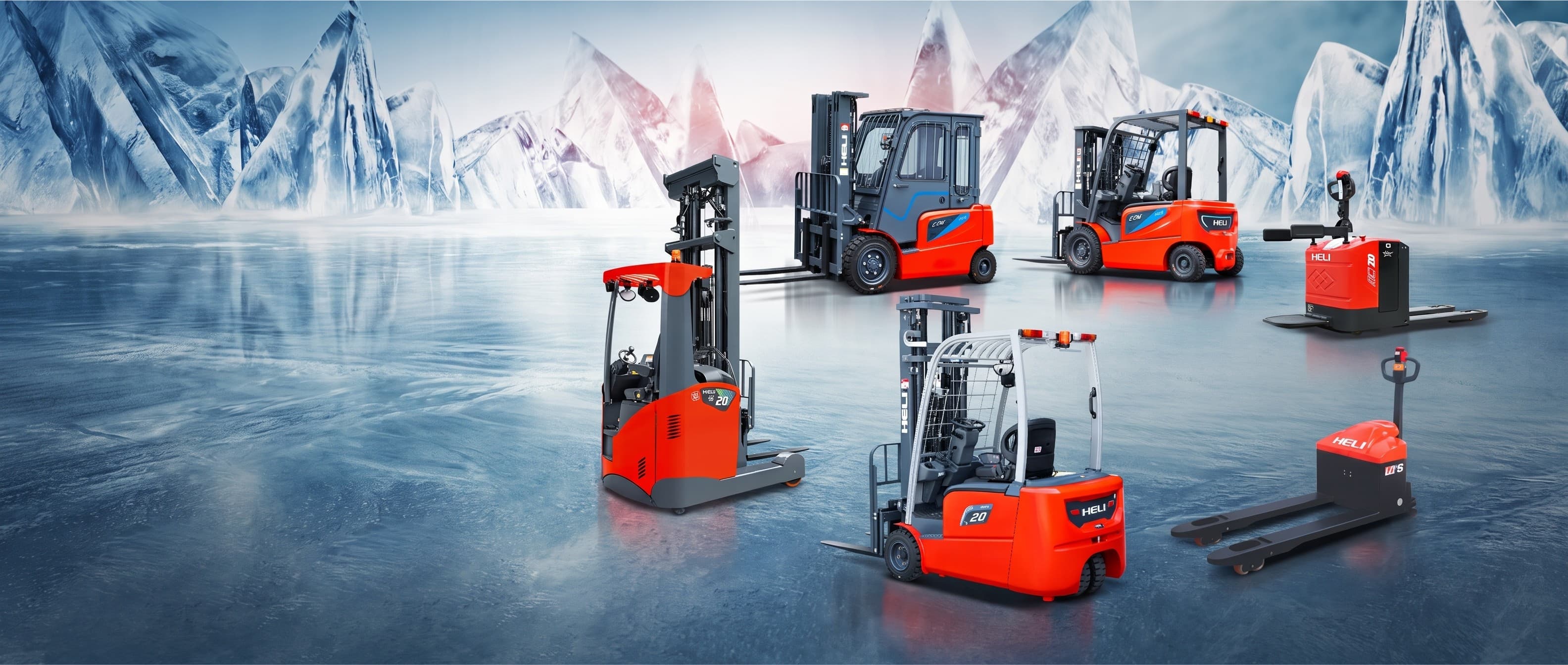
Storage in controlled environments and cold rooms is one of the most complex links in the supply chain, especially critical for the food, meatpacking, dairy, and pharmaceutical industries. With the arrival of the winter season, thermal demands double. Operating at temperatures ranging from 5°C to -30°C not only poses a challenge for human capital but also subjects the mechanical and electronic structure of forklifts to extreme stress.
Introducing conventional machinery without proper preparation into a frozen environment inevitably leads to unexpected technical downtime, massive electrical failures, and accelerated wear on hydraulic components. Below, we analyze the critical points you must manage to shield your warehouse's productivity against extreme cold.
1. The Invisible Enemy: Condensation and Electronic Protection
The highest operational risk in cold chain logistics does not necessarily occur while the forklift remains inside the cold room, but when it leaves it toward the dispatch yards or anterooms at room temperature. This sudden change in temperature generates instant condensation: warm air meets the frozen surface of the machine, creating a layer of liquid water that seeps into the components.
If the equipment lacks a high Ingress Protection (IP) rating, moisture will cause short circuits in the controller boards and sulfation in the electrical connectors. HELI units designed with a factory cold storage configuration incorporate high-resistance hermetic sealing and IP65 protection in their wiring harnesses and motors, completely isolating the electronics against the penetration of water and ice microparticles.
2. Fluid Viscosity: Oil Thickening and Hydraulics
At sub-zero temperatures, traditional mechanical fluids undergo drastic physical alterations. Standard hydraulic oil and transmission lubricants increase their viscosity, becoming dense and heavy.
This technical phenomenon causes:
The hydraulic pump to exert excessive thermal effort to suction and move the fluid.
Mast lifting and lowering speeds to become excessively slow.
Hydraulic hoses to lose flexibility, becoming rigid and prone to cracking or bursting due to internal pressure.
🌧️ Key Technical Specification: To neutralize this destructive friction, the fleet destined for cold storage rooms must operate exclusively with low-viscosity oils and aviation-grade hydraulic fluids for low temperatures. These inputs maintain their optimal fluidity even at -30°C, guaranteeing smooth, precise movements and protecting the internal valves of the lifting system.
3. Loss of Autonomy in Industrial Batteries
The cold directly slows down the chemical reaction responsible for storing and delivering energy inside a battery. In traditional lead-acid accumulators, operating in severe freezing environments can cause a loss of up to 30% of their daily nominal capacity.
To mitigate this drop in performance, operational planning must be extremely strict. This is where modern lithium-ion batteries with integrated self-heating systems or oversized lead-acid cells with thermally insulated compartments make the difference, sustaining the necessary amperage for the machine to maintain constant torque and speed throughout the shift.
4. The Human Factor and Ground Stability
Maintaining profitability in heavy logistics requires prioritizing operator safety. Working in cold storage aisles demands millimetric control: the presence of frost or condensed moisture on the floor drastically reduces the friction coefficient of polyurethane or solid rubber wheels, increasing the risk of sideways skidding or collisions against the racks.
On the other hand, an operator exposed to extreme cold loses response capacity and suffers from premature fatigue. The ultimate solution for high-intensity continuous operations is the implementation of enclosed cabins with active climate control. These structures incorporate double thermal glass to prevent fogging, front and rear windshield wipers with antifreeze fluid, and ergonomic joysticks designed to be operated completely naturally, even when using heavy thermal gloves.
Conclusion
Cold chain logistics leaves no room for improvisation. A machine stopped inside a frozen chamber not only disrupts the distribution chain but can also break the cold chain of highly valuable goods. Investing in equipment that incorporates anti-corrosion treatments, special low-temperature steels, and sealed cabins from the factory is the only valid strategy to reduce TCO and lead a highly demanding B2B market.
If you are planning the winter season for your distribution center, need to adapt your current units, or want to incorporate machinery prepared for frozen storage, we invite you to contact our technical advisors at Interlogistic. Our specialized team will provide you with a personalized consultation to configure the exact fleet your sub-zero operation demands.
Share
The Interlogistic Team
Specialists in industrial logistics and equipment
.jpg&w=3840&q=75)