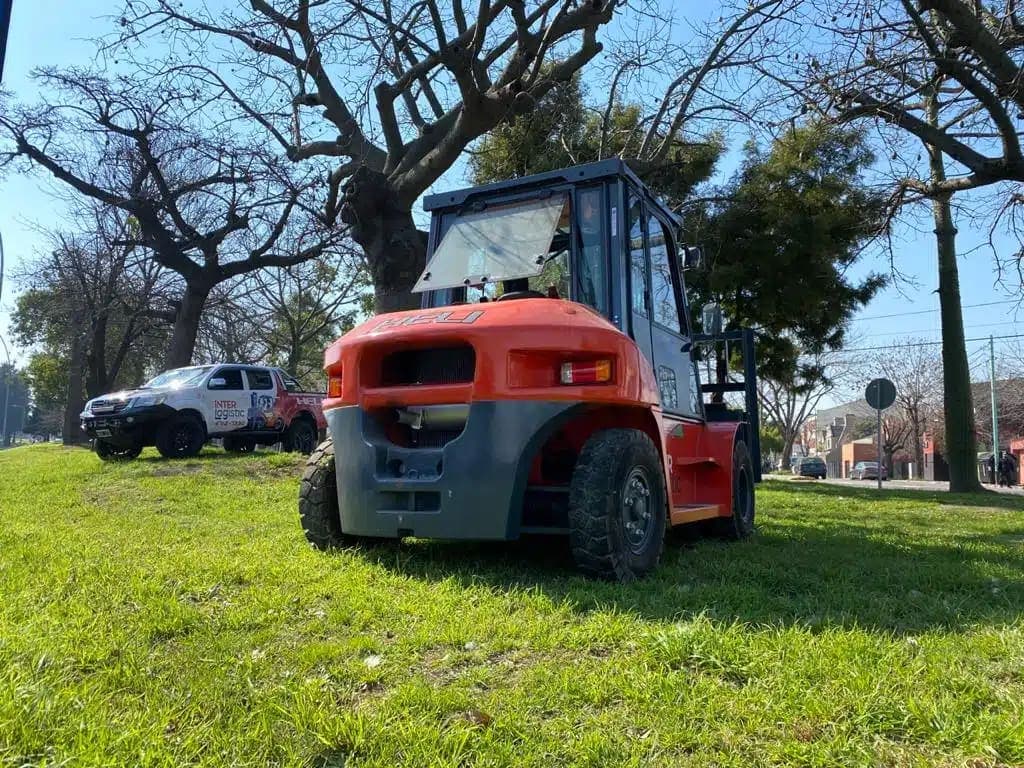
In today's market, there are different types of lift trucks available, each with its unique characteristics, loads they can lift and move, and jobs they are specifically designed to complete. Two of the most common types are forklifts and reach stackers.
What are forklifts and reach stackers?
Forklifts are units designed with a large counterweight at the rear that offsets the weight of the load carried on the forks, preventing the unit from tipping over. Reach stackers are specialized units specifically designed to safely and efficiently lift and move loads from extended heights that traditional forklifts cannot reach.Differences between forklifts and reach stackers
- Lift truck balance: One of the main differences between forklifts and reach stackers is the method used to stabilize their loads. Forklifts are designed with a larger counterweight at the rear of the unit.
- This weight directly offsets the weight of the load carried forward on the forks, greatly reducing the likelihood that the unit will tip over during operation.
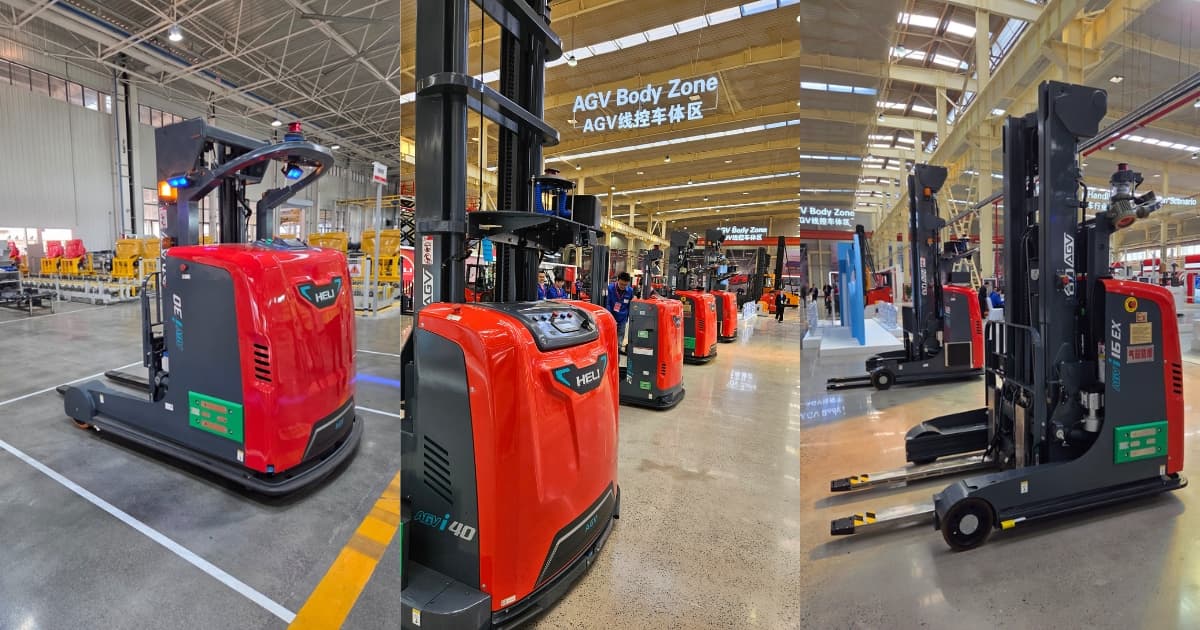
- Reach stackers do not have an external counterweight, but instead rely on two features to stabilize their loads: stabilizer legs extend outward and to the sides of the forks, combined with the weight of the unit's battery, keeping the unit stable and reducing the risk of tipping.
- Heavier loads vs. greater heights: Forklifts and reach stackers have been specifically designed to perform different tasks. The ability to design forklifts with larger counterweights at the rear allows them to lift and move heavier weights than reach stackers.
-
Reach: One of the main points of difference between these machines is the ability of reach stackers to extend forward to access pallets and goods stored at double depth on shelving. Forklift forks are attached to the carriage and, unless equipped with fork extensions, cannot access goods stored beyond the front compartment of the shelving.
Some Heli forklift models have a pantograph attached to their forks that allows them to extend forward and access goods stored behind the front shelving compartment, allowing warehouse and logistics operations to use double-depth shelving to double the available shelving storage space. -
Available fuel types: Forklifts are available in a greater variety of fuel types to suit specific applications. Heli forklift units are available in gas, diesel, CNG and electric versions with lead and lithium batteries, while reach stackers are only available in electric versions.
-
Turning circles: Reach stackers have smaller turning circles compared to forklifts, allowing the units greater maneuverability to work in narrow and confined spaces.
Thanks to their small turning circles, reach stackers can operate in narrow aisles, allowing warehouse shelving to be installed to maximize available storage space, often fitting in more aisles than if configured for a forklift that requires more space between shelves and at the end of aisles to turn safely.
Share
Compartir:
IL
The Interlogistic Team
Specialists in industrial logistics and equipment
.jpg&w=3840&q=75)