.jpg&w=3840&q=75)
The last quarter of the year (Q4) represents the most demanding period for the supply chain. Sustained growth in sales, driven by key e-commerce events such as CyberMonday and holiday stock preparation, generates an exponential increase in the daily volume of pallets processed in warehouses.
Attempting to absorb this peak workload with your standard fleet often leads to equipment saturation, excessive engine hours, and bottlenecks at dispatch docks. Conversely, purchasing new machinery to cover a three-month seasonal demand inefficiently locks up capital. Temporary forklift rentals stand out as the strategic solution to flex operational capacity.
1. Sizing the Backup Fleet
Determining the exact number of additional units requires auditing warehouse turnover metrics from previous months:
Projected volume analysis: Calculate projected inbound and outbound movements (pallets/day) during peak demand weeks against the active fleet's nominal capacity.
Turnover margin and breakdowns: Having extra units in reserve prevents unexpected machine downtime from halting an entire packing line at the most critical time of the year.
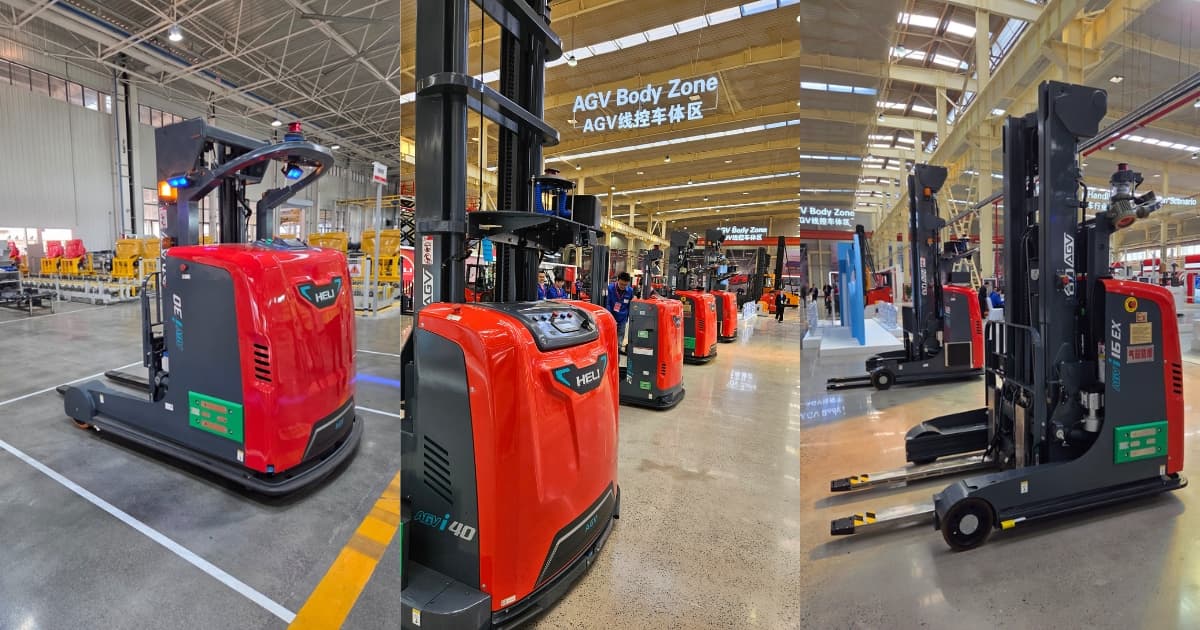
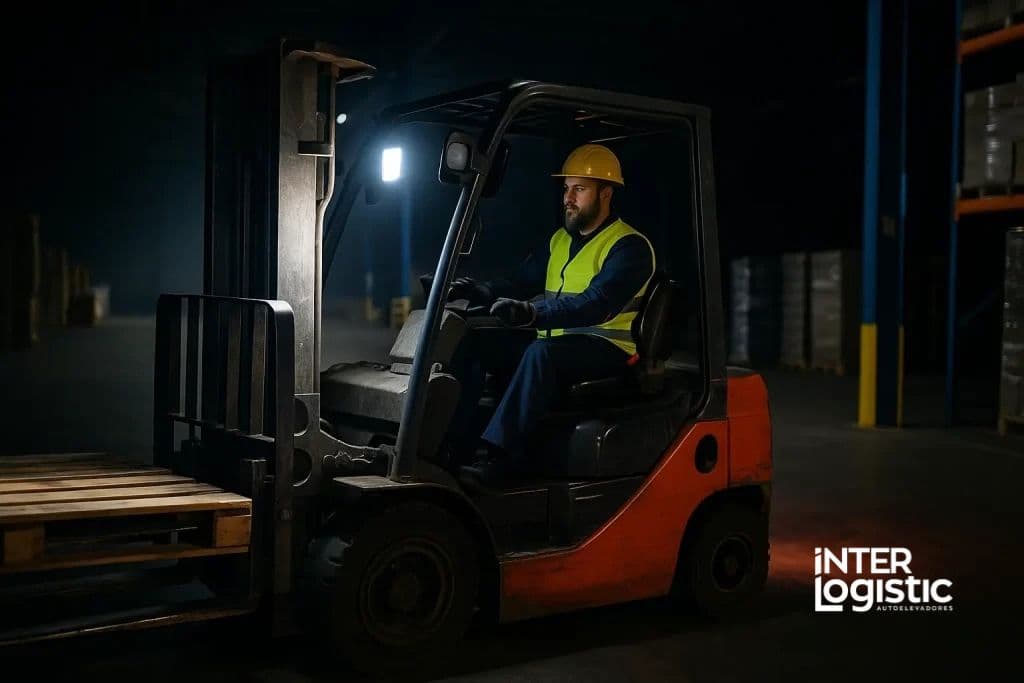
Task diversification: Identify whether specific needs require sit-down forklifts for outdoor yards, or stackers and electric pallet jacks to streamline internal picking.
2. Financial Efficiency: Preserving Working Capital (OPEX)
Opting for rental agreements during peak consumption offers clear cost-structure advantages:
100% tax-deductible operating expense: Rental fees are logged as an operational expense (OPEX), avoiding capital expenditure (CAPEX) on assets that will end up underutilized during Q1 of the following year.
Contractual flexibility: Customize lease terms to match the exact operational surge (typically from October to January) and return units once workflow normalizes.
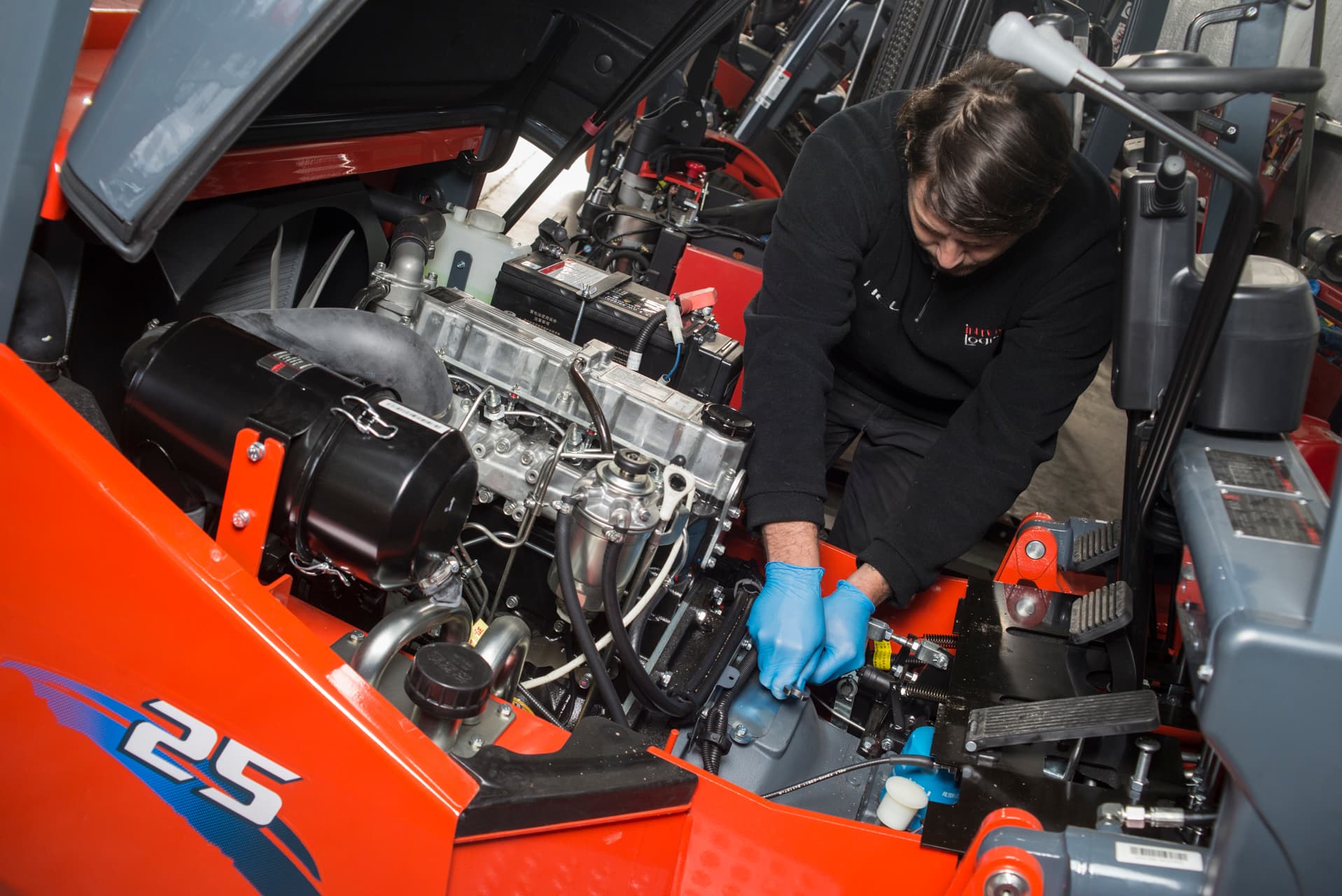
Zero unexpected maintenance costs: The rental agreement includes both preventive and corrective service, shifting direct maintenance responsibilities to the supplier.
3. Guaranteed Technical Support and HELI Fleet Availability
Choosing a supplier with official technical backing is vital when the margin for operational error is zero:
Units in peak operating condition: Every machine delivered by Interlogistic undergoes thorough pre-delivery inspection to guarantee immediate availability at your plant.
Rapid emergency technical response: On-site technical support ensures any unexpected mechanical issue is resolved swiftly without compromising delivery commitments.
Conclusion
Planning your year-end fleet weeks in advance marks the difference between an overcrowded warehouse and a smooth, profitable logistics operation. Sizing your requirements through a flexible rental scheme enables your business to respond to market demand with agility and controlled costs.
If you want to coordinate backup forklift rentals or upgrade your fleet for the final quarter, we invite you to explore our forklift rental service. For personalized advice on sizing your facility's fleet, feel free to reach out through our contact section.
Share
The Interlogistic Team
Specialists in industrial logistics and equipment