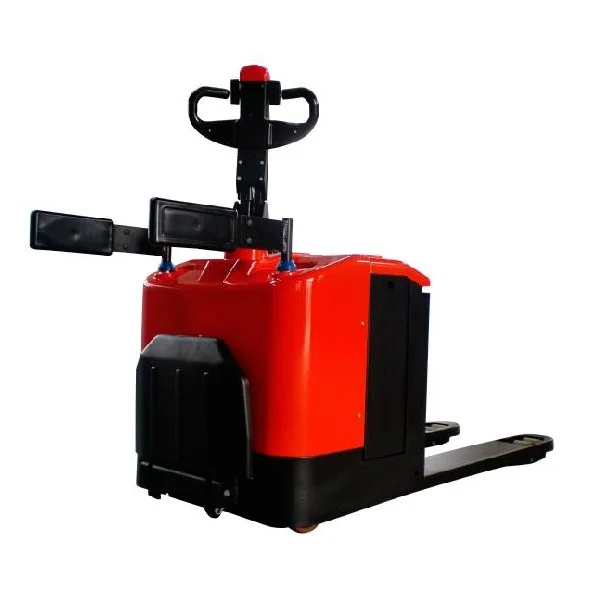
The corporate landscape is highly diverse. Every organization faces specific needs, operational capacities, and logistical challenges that must be addressed to ensure a seamless operation. Consequently, material handling and warehouse equipment vary drastically from one facility to another.
Leading manufacturers have taken note of this, developing a broad range of models with custom configurations tailored to every possible layout. So, how do you choose the right one for your business? Below is a practical guide to determining your ideal forklift based on your warehouse dimensions and your supply chain requirements.
Electric Forklifts: The Leading Choice for Indoor Operations
Incorporating a forklift is a strategic investment that will drastically streamline cycle times within your daily transport operations. While multiple power sources exist on the market, if the vehicle is intended to run primarily within an enclosed warehouse, the ultimate technical recommendation is to opt for an electric powertrain.
Their operational advantages for indoor environments deliver a drastic change in performance:
Zero Harmful Emissions: They safeguard operator health by eliminating toxic combustion gases inside enclosed spaces.
Minimal Noise Levels: They significantly reduce industrial noise pollution, improving workplace comfort and operator concentration.
Reduced Fixed Expenses: By eliminating expenditures on liquid fuels, engine oils, spark plugs, filters, and injectors, the hourly maintenance cost is remarkably low.
Compact Structural Design: They feature a much tighter turning radius than internal combustion units, making them the perfect asset to maneuver in narrow rows without sacrificing lifting capacity or height.
The 4 Critical Variables of Your Warehouse Layout
To ensure a smart investment and avoid costly structural infrastructure accidents, you must carefully evaluate the interaction between the machine and the warehouse layout:
1. Real vs. Rated Load Capacity
It is not just about knowing the weight of your heaviest pallet, but understanding the type of merchandise you manipulate routinely. Choosing an oversized machine "just in case" will strip away valuable maneuverability in tight corners.
⚠️ Golden Rule of Lifting: Remember that as lift height increases, the forklift's residual load capacity decreases. You must cross-reference maximum pallet weights with your highest racking beam elevation to pinpoint the exact HELI model required.
2. Effective Aisle Width (AST)
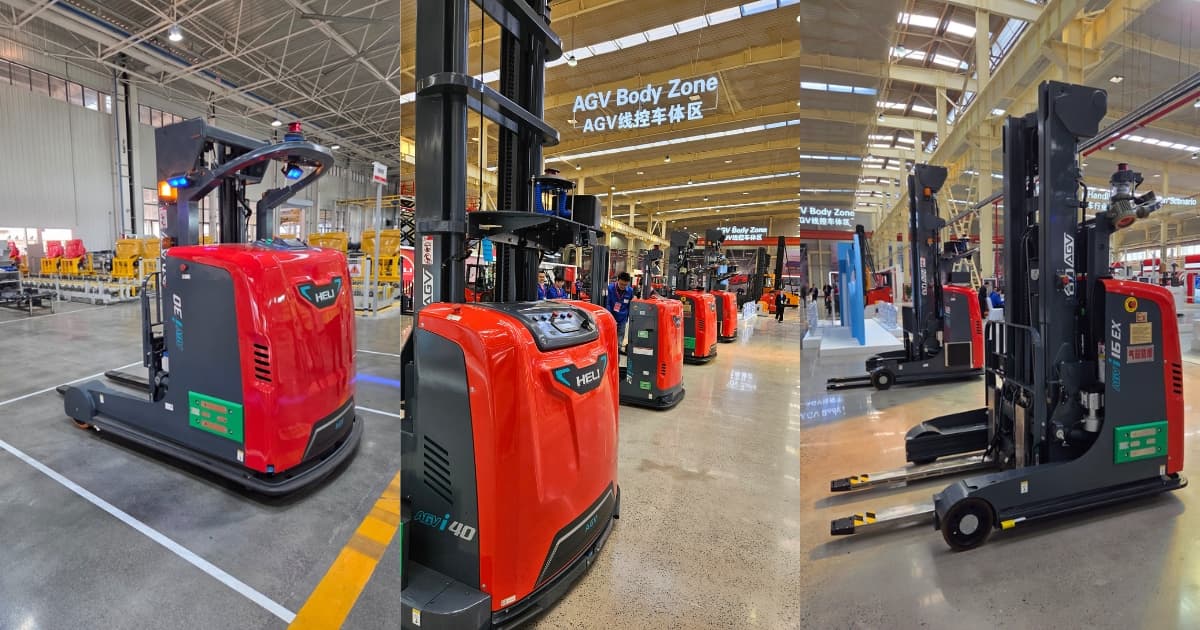
The configuration of your industrial racking dictates the type of machinery you can deploy. While traditional counterbalanced forklifts require aisle widths between 3 and 4 meters to turn smoothly with a loaded pallet, specialized narrow-aisle stackers or advanced reach trucks can operate seamlessly in aisles as tight as 1.8 meters. Measuring the equipment's exact turning radius will prevent costly impacts against rack uprights.
3. Maximum Lifting Height
Determine the height of your top-tier racking beams with millimeter precision. The mast of the selected forklift must be capable of safely depositing the load above that final beam layer while leaving a comfortable safety margin for the operator.
4. Door and Access Clearances
This is one of the most frequently overlooked details in warehouse auditing. The collapsed mast height (the tower's height at its lowest point) must be lower than the headers of your entry doors, security gates, or low overhead structural beams. Otherwise, you run the risk of purchasing a machine that physically cannot enter the building.
Conclusion
Analyzing space design, required turning radii, and average load weights guarantees the deployment of a tool that drives profitability and safeguards your environment.
If you have questions about your layout dimensions or want a specialized technician to calculate aisle clearances and turn dimensions for your next HELI fleet, you can visit our products section and request expert advice by clicking here.
Share
The Interlogistic Team
Specialists in industrial logistics and equipment
.jpg&w=3840&q=75)